
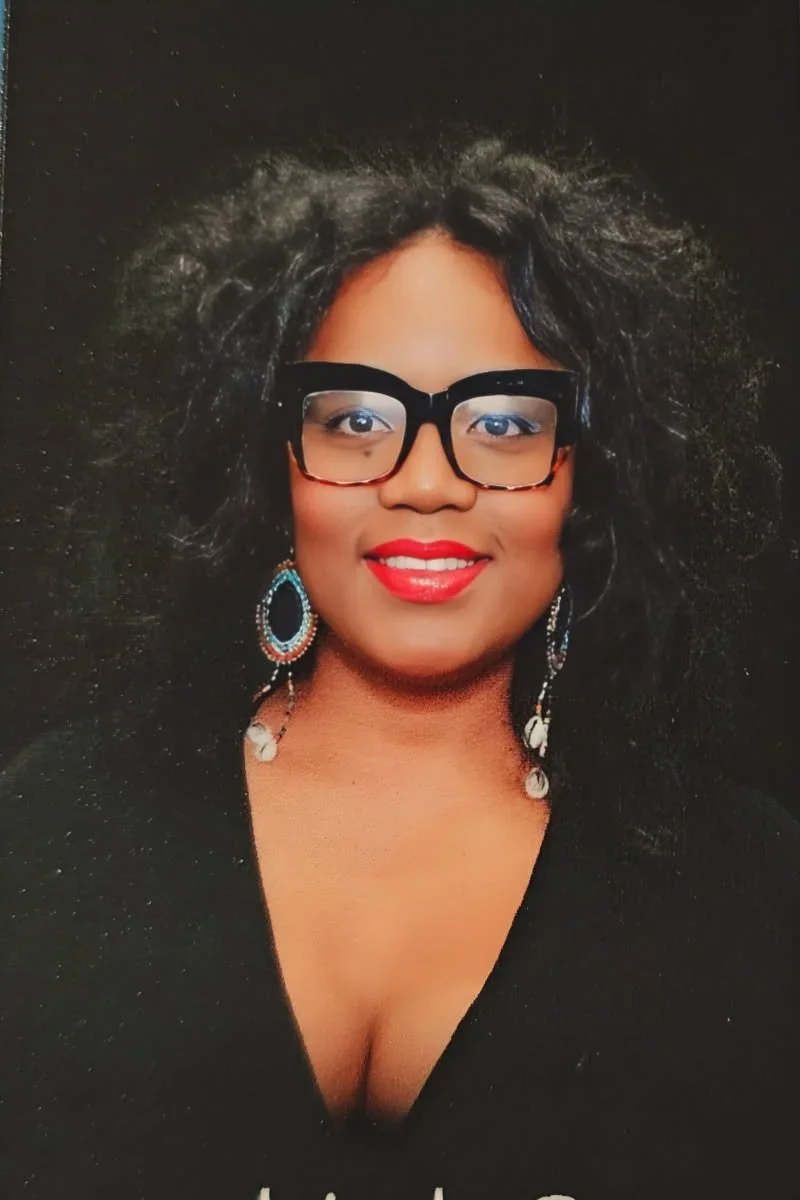
Conversation with Akia Harper
CLINIC SUPERVISOR
How have patient and provider feedback shaped the way Tubman Health has iterated its care model?
A lot of what I do is really about listening and then asking, how do we make this work better? We’re building a unique care model, so we must be willing to look at what’s working, what isn’t, and make changes along the way.
One example is our patient intake process. We learned quickly that patients needed more clarity before their first visit—what to expect, what their insurance may cover, what services they’re interested in, and what they want to prioritize in their healthcare journey. I’ve spent a lot of time looking at that entire experience, from the moment someone says, “I’m interested in becoming a patient,” through insurance verification, intake, pre-visit call, scheduling, and ultimately getting them in front of a provider.
Provider feedback is equally important because sometimes a process makes sense administratively but doesn't work clinically. My role sits in a place where I can see both sides of that. I’m constantly looking for where there are gaps, unnecessary steps or delays and asking how we can build something that works better for both patients and the people providing their care.
What’s something you’re excited to build next?
I’m really excited about building out and automating our patient intake journey so that becoming a patient feels seamless rather than complicated.
Right now, there are still parts of the process that require a lot of manual intervention. I’ve been working on redesigning that workflow—how someone expresses interest, how their chart gets created, how we verify insurance, how we understand what services they're looking for, and how quickly we can get them scheduled for their first visit.
The question I keep asking is: Will this still work when we're serving thousands of patients? Because if we're building a new model of care, we can't just build for where we are today. We have to build systems that can grow with us.
What perspective do you bring to the work of building this new model?
I bring an unconventional background to healthcare, and I think that's one of my strengths.
My career has crossed fashion, technology, business development, customer experience and operations. I spent years at Amazon working in environments where we were building and scaling new programs, using customer feedback and data to understand what was working, and constantly improving the experience. That taught me to look at systems differently. I'm always thinking about the person moving through the experience, but I'm also looking behind the scenes at the process that makes that experience possible.
Healthcare is obviously very different, but I bring that same curiosity here. I'm always asking: Why are we doing it this way? Does this step need to exist? Can we automate this? Are we collecting the right information? Where are people getting stuck? And what would this look like at scale?
I also bring my own lived experience as a patient and caregiver for my mother, which keeps the work very human for me. I understand what it feels like to navigate healthcare when you're already carrying a lot. So when I'm designing a workflow, building a process, looking at patient feedback, or solving an operational problem, I'm thinking about both sides: Does this work operationally, and does it actually feel good for the person receiving care?
That's the perspective I bring. I'm interested in building systems that are efficient, but not at the expense of the patient experience.